
Know Your Grass
- Updated: September 3, 2026
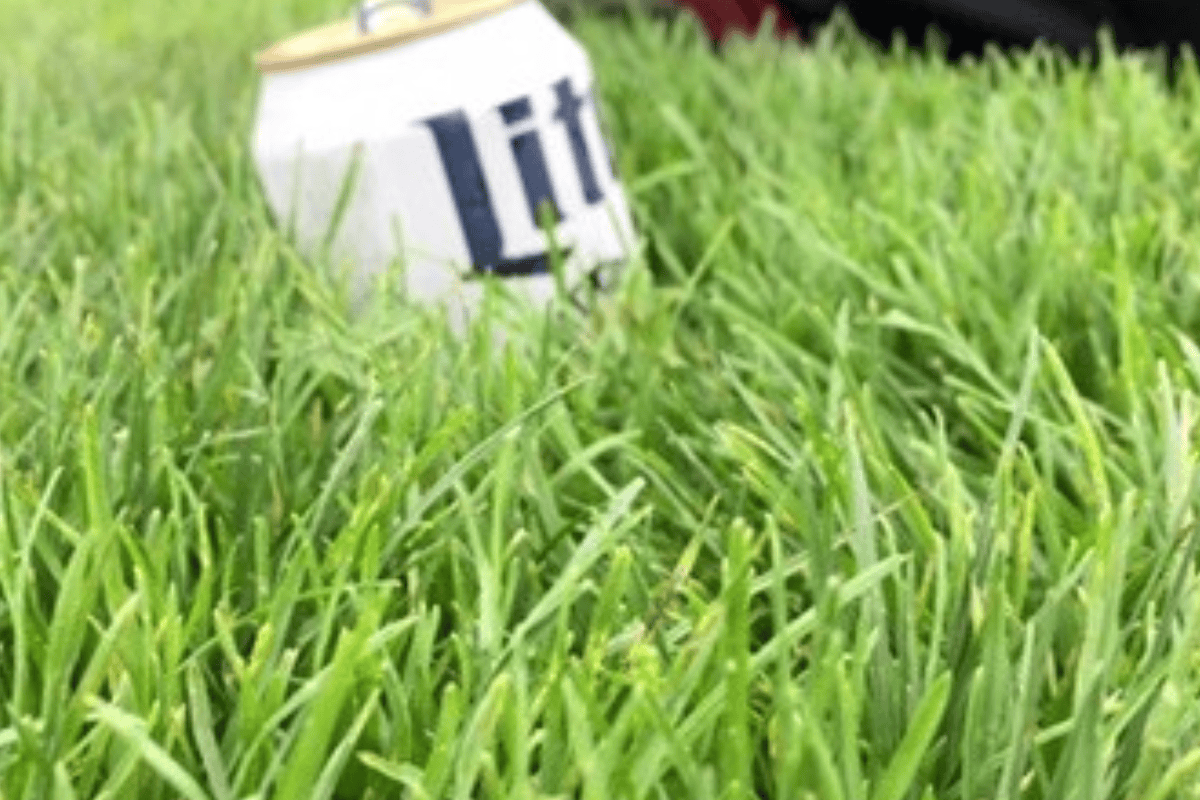
If you play golf in enough places, you start to realize that course architecture is only part of what changes from one destination to the next.
The climate changes. The ground changes. And the grass underneath your ball changes.
That sounds obvious until you spend a week blading chips off Bermuda, watch an afternoon putt wobble across Poa or learn that the beautiful lie in kikuyu rough is actually trying to ruin your day.
Golfers talk endlessly about architects, green complexes and course strategy. We spend considerably less time talking about the surface we hit every shot from.
Grass changes how the ball sits, how the club moves through the ground, how putts roll and even which shots make sense. You do not need a degree in turf management to travel for golf, but it helps to know what you are standing on.
Bermuda
Bermuda grass is certainly an acquired taste.
It’s built for hot summers. It handles drought, traffic and the general abuse required to keep golf courses alive throughout the South. I understand why it exists. I respect its resilience. I do not have to enjoy playing from it.
Modern ultradwarf Bermuda can produce excellent putting surfaces. Pinehurst No. 2 proved that during the 2024 U.S. Open. But Bermuda greens have grain, and that grain can affect both the speed and direction of a putt. Down-grain putts can be frighteningly quick. Putts into the grain can feel like someone hit the brakes halfway to the hole.
The fairways are generally manageable when the ball sits cleanly. The trouble starts around the greens. A tight Bermuda lie against the grain can grab the club and turn a perfectly reasonable chip into something that travels eight inches.
When in doubt, take less loft, get it as close as possible and abandon any dream of getting cute.
Where you’ll find it:
Streamsong Red, Blue and Black use Bermuda on their fairways and greens. Pinehurst No. 2 has Bermuda fairways and Champion Bermuda greens.
Bentgrass
This is the grass I grew up playing on and my preferred putting surface. Let’s be honest, it is most people’s preferred putting surface.
Healthy bentgrass greens are smooth, consistent and mostly free of noticeable grain. The ball rolls the way it looks like it should roll, which is about all I am asking after getting the read wrong myself.
Bentgrass also produces excellent fairways. The ball sits cleanly, the turf feels tight without feeling bare and the club moves through it without much drama.
The drawback is that bentgrass is a cool-season grass. Extended heat and humidity can beat it up, which is why maintaining bentgrass greens through a Southern summer can become a full-time emergency.
When it is healthy, though, this is what golf grass should be.
Where you’ll find it:
Erin Hills has bentgrass greens and fairways. Payne’s Valley, Ozarks National, Buffalo Ridge and Mountain Top all pair bentgrass greens with zoysia fairways.
Poa Annua
The West Coast wobble.
Poa is not limited to the West Coast, but that is where many traveling golfers learn to fear it. It grows aggressively, produces seedheads and can become bumpier as the day goes along.
Some of the best greens I have ever putted were pure Poa early in the morning. Some of the worst were Poa late in the afternoon.
The distinction matters. Poa itself is not necessarily bad. A healthy, uniform stand can produce an outstanding putting surface. The problems become more noticeable when Poa and bentgrass are mixed together and growing at different rates.
An eight-foot putt at 8 a.m. and the same putt at 4 p.m. may not be the same putt.
Where you’ll find it:
Pebble Beach, Spyglass Hill and Spanish Bay all have Poa annua greens. So do Torrey Pines and Chambers Bay.
Kikuyu
Kikuyu rough is fool’s gold.
It is most closely associated with Southern California, where the warm climate allows it to form a thick, aggressive playing surface. In the fairway, it can produce an almost perfect lie. The ball sits up beautifully and practically asks to be hit.
The rough is another matter.
If the grass is not too long, kikuyu can tee the ball up nicely. But get even slightly underneath it and the grass will grab your club like it owes it money. The ball goes nowhere and you stand there wondering how such a good-looking lie just made you look like an idiot.
I can see how kikuyu could become fun once you understand it. If you stay on top of the shot and control where the club enters the grass, you can really send one from those teed-up lies.
Until then, I will continue coming up short from every patch of rough in California.
Where you’ll find it:
Riviera Country Club is the most famous example, with kikuyu fairways and rough surrounding Poa greens. Torrey Pines features the same combination.
Zoysia
This is a popular one.
Zoysia is a warm-season grass found primarily throughout the transition zone and Southeast. Missouri golf, in particular, has made it familiar to a lot of traveling players.
Zoysia forms a dense surface that tends to hold the ball up. A good zoysia fairway lie can feel like the ball has been placed on a very small tee. Unlike its ugly cousin kikuyu, the club usually moves through it without feeling like it has entered a wrestling match.
It is not completely innocent. Zoysia can develop a thick layer underneath the blades, and balls that settle into it can become difficult. It also goes dormant and turns brown once cold weather arrives.
But when it is green, healthy and cut properly, zoysia fairways are about as friendly as golf gets.
Where you’ll find it:
If you have played at Big Cedar, you have probably experienced the good version. Payne’s Valley, Ozarks National, Buffalo Ridge and Mountain Top all feature zoysia fairways with bentgrass greens.
Fescue
Fescue requires some clarification.
Golfers tend to call any long, wispy rough “fescue,” regardless of what is actually growing there. But there are several kinds of fescue, and they do not all play the same way.
Fine fescue is the classic links grass. It can produce firm, fast fairways and tight lies while surviving on less water and fertilizer than many other grasses. It is a major reason golf in Scotland, Ireland and parts of the northern United States looks and plays the way it does.
Tall fescue is coarser and more likely to appear in rough. When it gets thick, the ball settles down and the clubface can twist shut before you know what happened.
One version encourages the ground game. The other encourages you to take your medicine.
Where you’ll find it:
Fescue is used extensively throughout Bandon Dunes. Chambers Bay has fescue fairways and native areas, while Erin Hills uses it heavily in the long rough surrounding its bentgrass fairways.
Kentucky Bluegrass
Kentucky bluegrass is the rough many northern golfers grew up playing without ever thinking much about it.
It handles cold weather well, recovers from traffic and forms the dense turf common throughout the Northeast, Midwest and Mountain states. It is rarely the star of the course, but it is a major part of the classic cool-season setup.
When it is kept reasonably short, the ball usually sits well and the lie is predictable. When it gets long, wet and thick, it can wrap around the club and take speed off the shot quickly.
It is familiar, dependable and generally preferable to whatever Bermuda is planning around the next green.
Where you’ll find it:
Kentucky bluegrass is generally part of a rough mixture rather than the defining surface of a course. It appears in the rough at Oakmont, TPC River Highlands and Castle Pines, usually mixed with ryegrass or fescue.
Perennial Ryegrass
Perennial ryegrass is another grass you have probably played more than you realize.
It is common in cool-season fairways and roughs and establishes quickly, which is why courses in warmer climates sometimes use it to overseed dormant Bermuda during the winter.
When it is cut short, ryegrass generally produces clean, predictable lies. In the rough, especially when it is lush or wet, it can become heavy enough to grab the club.
It does not have the personality of Bermuda, Poa or kikuyu. That is mostly a compliment. Ryegrass generally lets you hit the shot without first solving a turf-based riddle.
Where you’ll find it:
Pebble Beach, Spanish Bay and Del Monte use ryegrass on their tees and fairways, generally alongside some Poa annua.
Seashore Paspalum
Seashore paspalum is the coastal specialist.
It thrives in warm environments and can tolerate salty soil and irrigation conditions that would cause problems for many other grasses. That makes it particularly useful at oceanfront courses.
Paspalum can look similar to Bermuda, but it generally produces less noticeable grain. The grass grows densely, allowing the ball to sit up nicely in the fairway. Longer paspalum can still grab the club, but the overall experience is usually more predictable than Bermuda.
It can also produce excellent greens. Putts roll smoothly, and there is less need to determine which direction the grass is growing before choosing a line.
Where you’ll find it:
All five courses at Kiawah Island use paspalum from tee to green, including the Ocean Course, Osprey Point and Turtle Point.
My Dream Combination
Maintenance, weather, mowing height and moisture can matter as much as the species itself. A poorly maintained bentgrass green is still a bad green, and a properly maintained Bermuda green can be excellent.
Preferences are still preferences.
Give me bentgrass greens, bentgrass fairways and perennial ryegrass rough.
Smooth putts, clean lies and no need to ask which direction the grass is growing before hitting a four-footer.
Two Inches Short is a place where amateur golfers can unapologetically be themselves. It’s where we can all relate to the greatest game ever played at a level we can all understand.
Follow Two Inches Short on Twitter, Instagram, and Facebook!
“Making triple bogey from the middle of the fairway isn’t just about skill, it’s a lifestyle.”